



Wondering if your home insurance will cover your broken air conditioner? You’re not alone. A lot of homeowners think AC damage is on them—when in reality, insurance can cover it in certain cases.
The catch? It depends on how the damage happened and what’s written in your policy.
In this guide, I’ll break down what your policy actually covers, which situations might qualify for a payout, and how to give yourself the best shot at getting your insurance to pay for the repairs or replacement.
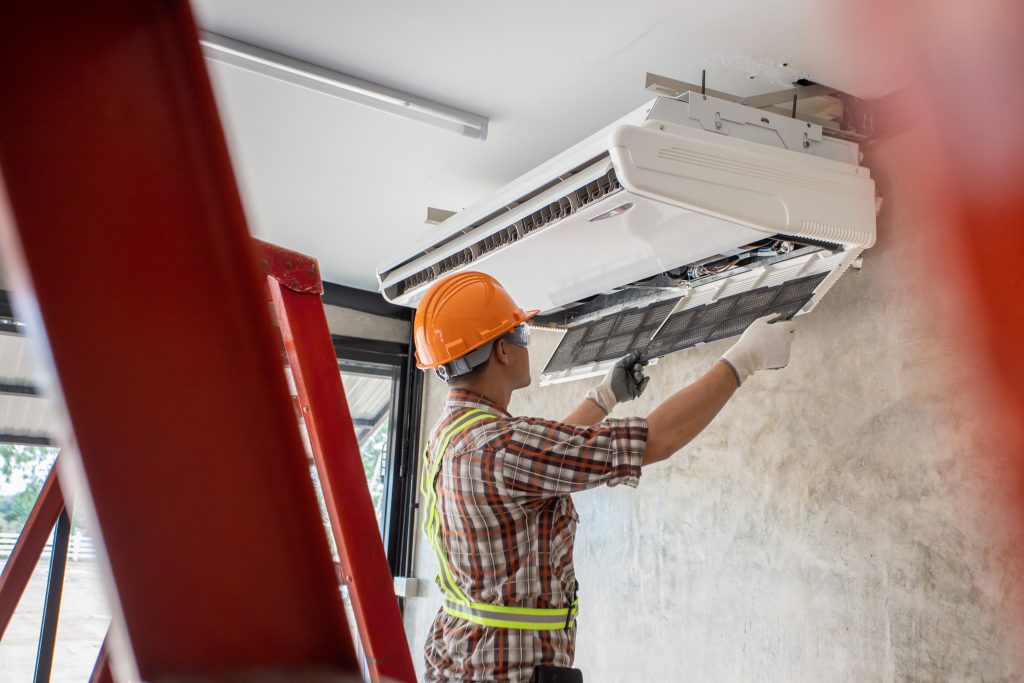
Understand What Your Home Insurance Covers
If you want your home insurance to pay for your air conditioner, the first step is knowing what your policy actually says.
Most people never read the fine print. I get it. But it matters here. Not everything is covered—only sudden damage caused by something out of your control.
Here’s the difference:
Covered perils = things your policy protects you from
Exclusions = stuff your insurance won’t touch
Some policies only cover central AC units (built-in systems), while others might help with portable or window units too. It all depends on how your insurer classifies your AC and what type of coverage you have.
| Situation | Covered? | Notes |
|---|---|---|
| Tree falls and crushes AC unit | ✅ Yes | Covered under falling objects |
| AC stops working due to old age | ❌ No | Considered wear and tear |
| Lightning strike damages unit | ✅ Yes | Usually a covered peril |
| Poor installation issues | ❌ No | May fall under workmanship warranty |
| Stolen portable AC | ✅ Yes | Covered under personal property |
Always check your own policy. Coverage varies.
Before filing a claim, pull out your policy or log into your account. You’re looking for anything related to:
- Dwelling coverage
- Personal property
- Equipment breakdown (optional add-on)
Still unsure? Call your insurance company and ask:
“Would my policy cover AC damage caused by [insert cause]?”
You’ll get a clear answer without guessing.
For a more in depth guide see this from Allstate
Covered Perils That May Apply to Your AC
For insurance to pay up, the damage has to come from a covered event.
Here are the most common perils that usually qualify:
- Fire or lightning
- Windstorms or hail
- Falling objects like tree limbs or debris
- Theft or vandalism
- Explosions (including gas or mechanical explosions)
If your AC stops working because of old age, rust, or poor maintenance, that’s on you. But if a windstorm knocks over a tree that crushes your outdoor unit? That’s a valid claim.
You need to connect the damage to one of these covered causes when filing your report. It’s the only way to get your insurance to pay for your air conditioner.
How Your Air Conditioner Might Be Classified in Your Policy
To get home insurance to pay for your air conditioner, you need to know how your unit is classified in your policy.
It usually falls under one of two categories:
Dwelling Coverage
This is for built-in or central AC systems that are permanently attached to your home. If your condenser or indoor unit is part of your home’s structure, this is likely the type of coverage that applies.
These are a few signs it falls under dwelling:
- Installed when the home was built or renovated
- Hardwired into your electrical system
- Connected to duct-work and controlled by a thermostat
If that’s you, damage from a covered peril (like fire or wind) may qualify under dwelling coverage.
Personal Property Coverage
This applies to portable or window AC units. Since these can be removed and aren’t part of your home’s structure, your policy will treat them like furniture or electronics.
This coverage usually comes with:
- Lower payout limits
- Different rules for wear and tear
- A requirement to list high-value items separately
Want a tip? If your portable AC is pricey, ask your insurance rep if you need to list it as scheduled personal property. That extra step might help you recover more money if it ever gets damaged or stolen.
Situations Where Insurance Won’t Pay
Your insurance won’t pay for every AC issue—and this is where a lot of people get stuck.
Let’s clear it up.
Insurance typically won’t cover:
- Wear and tear – If your unit slowly breaks down over time
- Lack of maintenance – Skipping filters, ignoring weird sounds, no annual tune-ups
- Old age – If your unit is at the end of its life (usually 10 to 15 years)
- Manufacturer defects – That’s a warranty issue, not an insurance one
⚠️ Not Covered:
If your AC stops working because it’s old, dirty, or poorly installed, your claim will likely be denied. Insurance is meant for sudden, unexpected damage—not stuff that could’ve been avoided.
Tip: Keep all your maintenance records in one folder or email chain. When damage happens, you’ll be ready to prove your unit was taken care of.
Want a sample AC maintenance tracker or a checklist to download? Get one here.
Step-by-Step: How To File an AC Damage Claim
If you’re trying to get home insurance to pay for your air conditioner, this is the exact process to follow.
Step 1: Document the Damage
- Take clear photos of the AC unit from different angles
- Record a short video showing what’s not working or what caused the damage
- If anything else was affected (wiring, outdoor unit, etc.), document that too
This gives the insurer proof that the issue is real and recent.
Step 2: Determine the Cause
Ask yourself: Was this caused by something sudden? If it was due to fire, wind, or another covered event, you’re probably good. If it just broke down slowly—probably not.
Tip: Jot down a quick note explaining how it happened. That’ll help when you speak with your adjuster.
Step 3: Contact Your Insurance Provider
Call your insurance company and say:
“I’d like to file a claim for my air conditioner. It was damaged by [insert cause].”
They’ll walk you through their process, but always ask for a claim number and write it down.
Sample Claim Letter:
Subject: Homeowners Insurance Claim for AC Damage – [Your Name] / [Policy #]
Hi [Insurance Rep Name],
I’m writing to report damage to my home’s air conditioning system caused by [insert covered peril, e.g., “a falling tree branch during a storm on 3/18”].
Attached are:
- Photos of the damage
- A written repair estimate from a licensed HVAC professional
- My maintenance records for the unit
Please advise next steps to move forward with the claim. You can reach me at [your number].
Thanks,
[Your Full Name]
[Policy #]
Step 4: Schedule the Adjuster Inspection
The insurance company will usually send someone out to inspect the damage. Be there if you can.
Show them:
- The photos and videos you took
- Your AC maintenance records
- Any receipts or service reports
Make it easy for them to say yes.
Step 5: Get Quotes from Licensed HVAC Pros
Even if the insurance company sends their own person, get at least one or two estimates from licensed local HVAC techs.
You want:
- A clear breakdown of parts and labor
- Their license number
- A written estimate you can submit
Step 6: Review the Claim Decision
Once the adjuster finishes their report, your insurer will send you their decision. Read it carefully.
Look for:
- What they’re paying for
- What they’re denying
- How much they’re offering
Step 7: Compare the Repair Cost vs. Your Deductible
If the payout is less than your deductible, it might not be worth filing. But if it’s above your deductible—or you’re close—it can still help cover a chunk of the repair or replacement.
Tips To Improve Your Chances of Approval
These aren’t just “nice to have” tips. They actually move the needle when you’re trying to get your AC claim approved.
- Keep a maintenance log
Track filter changes, yearly checkups, repairs, and any service calls.
If your unit was cared for, you’ll have proof it didn’t break from neglect. - Add equipment breakdown coverage
This is an optional rider on many policies. It covers mechanical failure that wouldn’t normally be approved under a standard claim. - Appeal if your claim is denied
Ask your insurer for the decision in writing. Then respond with extra evidence or a written appeal. You can also bring in a public adjuster to help fight the denial.
Need help from an expert? Contact Miami Claim Pros and we’ll review your claim for free.
Final Thoughts
Home insurance is built to cover sudden damage—not stuff that wears out over time. If your air conditioner fails because of a storm or other covered event, there’s a good shot your policy will pay out.
But if it dies because it’s 12 years old and hasn’t been cleaned in five? That’s on you.
Keep your unit maintained, track service, and act fast when damage happens. That’s the best way to get home insurance to pay for your air conditioner.
FAQ
Does homeowners insurance cover Freon leaks?
Usually not. Freon leaks are often caused by wear and tear or poor maintenance, which aren’t covered. If the leak happened after a storm or other covered event, it might be worth filing.
Will insurance pay to replace an old AC?
Not if it’s just old. But if something damages it—like a tree falling on the outdoor unit—then yes, they might cover the cost to replace it.
What if my AC was damaged during a storm?
If your unit was damaged by wind, flying debris, or even lightning, it’s usually covered. Just make sure you document everything and report it right away.